
Showing posts with label Film. Show all posts
Showing posts with label Film. Show all posts
Saturday, 27 November 2010
Film Culture and the Spending Review on APEngine
The people at the marvellous APEngine have published an article of mine on film culture and the spending review, available here. Check out the rest of the site - great stuff.
Labels:
Cultural Funding,
Cultural Shock Doctrine,
Film,
the Arts,
UKFC


Sunday, 31 October 2010
Cultural Resistance: Liar Liar, Captain Ska
Nice bit of cultural resistance by Captain Ska.
More please!
More please!
Labels:
Big Lie,
cultural resistance,
Film,
Media Activism,
Videos
Saturday, 23 October 2010
Film Policy in the UK and the Spending Review: The Cultural-Shock Doctrine in Action?
The Spending Review and Film
In one of the first posts on this blog I speculated as to whether the closure of the UK Film Council would signal a return to the dark days of the 1980s and the almost complete collapse of British film production. As I said then, the devil is in the detail: how much will overall subsidy be reduced, how will it be distributed? The details of the cuts made to public subsidy for film in the UK are now emerging. What do these suggest?
Cuts or Restructuring?
The following article in Screen Daily outlines the cuts, reproduced via BFI Watch:
• inward investment and the work of the British Film Commissioner
• National and regional screen agencies
• research and statistics
• film exports
• certification (assessing which films qualify as British and are therefore eligible for Lottery funding and/or UK Film Tax Relief)
• diversity initiatives
• anti-piracy initiatives
• co-production support
• The UK MEDIA Desk activities
• Sponsorship of work such as The UK Film Centre at Cannes
Cuts had been anticipated but the 50% figure for non-BFI and non-Lottery funding is a stiff reduction and confirms the fear of many in the industry that, while Lottery funding and the tax certification are safe, other areas of the film business will suffer . . .
. . . Meanwhile regional screen agencies are anticipating a cut in funding along the same 15% lines as the BFI.
The Structure of Film Subsidy under New Labour
In the UK Film Council’s first major policy statement, ‘Towards a Sustainable Film Industry’, then Chairman Alan Parker described the UKFC’s strategy thus: "Essentially our intention is to use public money to make better, more popular and more profitable films in real partnership with the private sector, which drives our industry and largely creates our film culture." On the other hand, the “cultural role of the UK FILM COUNCIL has been largely delegated to the British Film Institute and its regional partners." (Here, page 1)
While the separation of industrial and cultural functions proved to be not as neat as Parker would have us think, this demonstrates the structural division between commercial subsidy – primarily via the tax incentive and lottery investment in production – and cultural subsidy – via the BFI and the Regional Screen Agencies – that characterised the New Labour period. As a DEMOS report put it: “The Government and the UK Film Council look to the RSAs to help capture the many facets of British communities”:
To encourage the growth of a sense of community and identity, to identify and empower under-represented and marginalised voices, give support for different forms of distribution, and ensure diversity of access and participation. (Here, pages 20 and 17)
In policy terms, the social and cultural objectives of film subsidy – community, identity, diversity, social inclusion – were placed onto the RSAs and the BFI. The extent to which the Regional Screen Agencies concerned themselves with social and cultural initiatives in practice is a bigger topic than I have space to discuss here, but it is undoubtedly true that they provided a badly-needed inroad to the industry for marginalised social groups. However imperfect they were, these aspects of film policy recognised the failure of the market to be representative of British social and cultural life. It is these sorts of initiatives that will be reduced. We’ve already seen Screen East, one of the Regional Screen Agencies, close (although the circumstances of this are unclear).
So while operators like Clint Eastwood, Dreamworks and Directors UK might be breathing a sigh of relief for the moment, this spells trouble for community film-makers in Leicester or Newcastle. In short, these cuts are not fair; like the more general attack on the welfare state of which they are a part they will disproportionally effect the poorer, more independent and vulnerable sections of the film sector.
In one of the first posts on this blog I speculated as to whether the closure of the UK Film Council would signal a return to the dark days of the 1980s and the almost complete collapse of British film production. As I said then, the devil is in the detail: how much will overall subsidy be reduced, how will it be distributed? The details of the cuts made to public subsidy for film in the UK are now emerging. What do these suggest?
Cuts or Restructuring?
The following article in Screen Daily outlines the cuts, reproduced via BFI Watch:
film-sector funding outside Lottery funds and the British Film Institute (BFI) has been slashed by over 50% . . .
. . . the annual grant-in-aid budget for film in each of the next four years will be around £18.618m, down from £23.9m in the year 2010/11. After counting the BFI’s newly reduced annual budget, that leaves just £4.655m for all other film activities (excluding Lottery development/production funding which the government has pledged to maintain at current levels). That £4.655m will have to cover:
• inward investment and the work of the British Film Commissioner
• National and regional screen agencies
• research and statistics
• film exports
• certification (assessing which films qualify as British and are therefore eligible for Lottery funding and/or UK Film Tax Relief)
• diversity initiatives
• anti-piracy initiatives
• co-production support
• The UK MEDIA Desk activities
• Sponsorship of work such as The UK Film Centre at Cannes
Cuts had been anticipated but the 50% figure for non-BFI and non-Lottery funding is a stiff reduction and confirms the fear of many in the industry that, while Lottery funding and the tax certification are safe, other areas of the film business will suffer . . .
. . . Meanwhile regional screen agencies are anticipating a cut in funding along the same 15% lines as the BFI.
So these are big cuts, disproportionately placed on certain parts of the subsidised film sector. The tax incentives designed to stimulate commercial feature film production and inward investment are maintained, along with Lottery funding for production. The main cuts are to come from the BFI and the Regional Screen Agencies. The Spending Review can be seen, therefore, as a restructuring exercise for film subsidy in the UK. We can understand it by looking at the structure of film subsidy during the New Labour period.
In the UK Film Council’s first major policy statement, ‘Towards a Sustainable Film Industry’, then Chairman Alan Parker described the UKFC’s strategy thus: "Essentially our intention is to use public money to make better, more popular and more profitable films in real partnership with the private sector, which drives our industry and largely creates our film culture." On the other hand, the “cultural role of the UK FILM COUNCIL has been largely delegated to the British Film Institute and its regional partners." (Here, page 1)
While the separation of industrial and cultural functions proved to be not as neat as Parker would have us think, this demonstrates the structural division between commercial subsidy – primarily via the tax incentive and lottery investment in production – and cultural subsidy – via the BFI and the Regional Screen Agencies – that characterised the New Labour period. As a DEMOS report put it: “The Government and the UK Film Council look to the RSAs to help capture the many facets of British communities”:
To encourage the growth of a sense of community and identity, to identify and empower under-represented and marginalised voices, give support for different forms of distribution, and ensure diversity of access and participation. (Here, pages 20 and 17)
In policy terms, the social and cultural objectives of film subsidy – community, identity, diversity, social inclusion – were placed onto the RSAs and the BFI. The extent to which the Regional Screen Agencies concerned themselves with social and cultural initiatives in practice is a bigger topic than I have space to discuss here, but it is undoubtedly true that they provided a badly-needed inroad to the industry for marginalised social groups. However imperfect they were, these aspects of film policy recognised the failure of the market to be representative of British social and cultural life. It is these sorts of initiatives that will be reduced. We’ve already seen Screen East, one of the Regional Screen Agencies, close (although the circumstances of this are unclear).
So while operators like Clint Eastwood, Dreamworks and Directors UK might be breathing a sigh of relief for the moment, this spells trouble for community film-makers in Leicester or Newcastle. In short, these cuts are not fair; like the more general attack on the welfare state of which they are a part they will disproportionally effect the poorer, more independent and vulnerable sections of the film sector.
In the 1980s commercial subsidies – the Eady Levy in particular – were slashed leading to the almost complete collapse of commercial feature film production in this country. At the same time, cultural-film subsidy was maintained at a certain level, mostly through BFI Production. This produced some memorable, often oppositional films (My Beautiful Laundrette, Orlando, The Draughtsman’s Contract, Young Soul Rebels).
In this phase of neoliberal restructuring we appear to be witnessing the opposite strategy: the maintenance of subsidy to the commercial film sector at the same time as the withdrawal of state support for the cultural sector. This is the cultural-shock doctrine in action.
Thursday, 23 September 2010
RIP UKFC: Geoffrey Macnab's Obituary of the UK FIlm Council
Geoffrey Macnab gives his obituary to the UK Film Council in October’s Sight and Sound.
This piece is worth a read for the insight it sheds on the debates that took place when the UK Film Council was formed, particularly the elusive desire for a sustainable, large-scale UK film industry.
As Macnab says, “the furore over the announcement [of the closure of the UK Film Council] underlines just how dependent on public funding the British film industry remains. It also reminds us how bitter the debates about public film policy have always been.”
He continues:
“We’re now at the end of a cycle. The UKFC is faced with abolition and the public film-funding model will almost certainly have to be redesigned. It was telling that in April 2010 the UKFC announced that its current chairman Tim Bevan would chair a think tank to identify ways of ‘growing UK companies of scale’. This, of course, was exactly the goal back in 1997, when the government awarded the three lottery-backed franchises worth more than £90 million over six years. The truth is that in 2010, over half of independent production companies are loss-making.”
The goal of a self-sustaining film industry is no more realistic now than it was back in 1998, or 1968 for that matter. The question is now, as it was then, how to sustain film-making in this country.
Any ideas let me – or Jeremy Hunt – know.
Tweet
This piece is worth a read for the insight it sheds on the debates that took place when the UK Film Council was formed, particularly the elusive desire for a sustainable, large-scale UK film industry.
As Macnab says, “the furore over the announcement [of the closure of the UK Film Council] underlines just how dependent on public funding the British film industry remains. It also reminds us how bitter the debates about public film policy have always been.”
He continues:
“We’re now at the end of a cycle. The UKFC is faced with abolition and the public film-funding model will almost certainly have to be redesigned. It was telling that in April 2010 the UKFC announced that its current chairman Tim Bevan would chair a think tank to identify ways of ‘growing UK companies of scale’. This, of course, was exactly the goal back in 1997, when the government awarded the three lottery-backed franchises worth more than £90 million over six years. The truth is that in 2010, over half of independent production companies are loss-making.”
The goal of a self-sustaining film industry is no more realistic now than it was back in 1998, or 1968 for that matter. The question is now, as it was then, how to sustain film-making in this country.
Any ideas let me – or Jeremy Hunt – know.

Tweet
Labels:
Cultural Shock Doctrine,
Film,
Film Industry,
Jeremy Hunt,
Politics,
the Arts,
UK Film Council,
UKFC
Monday, 13 September 2010
No Shock Doctrine for UK Video
No shock doctrine for the uk.
Labels:
Big Lie,
Big Society,
Film,
Politics,
Privatisation,
Shock Doctrine,
Videos
Tuesday, 7 September 2010
Blacklisted the Movie

From the Reel News Facebook page:
First ever public showing of BLACKLISTED, the new documentary (15 mins) about the illegal Consulting Association blacklist containing personal details on 3213 building workers who had raised concerns about safety or unpaid wages. The secret database was used by multinational construction firms to prevent trade unionists from gaining employment. The blacklist is a continuation of a vindictive attitude by building firms towards un...ions going back many decades. The film shares first hand experience from 12 blacklisted workers (including Ricky Tomlinson) about their fight for justice.
After the film, blacklisted workers, Reel News, MPs and human rights experts will take questions and discuss the ongoing campaign against blacklisting and the implications for all trade unions today.
Chair: Steve Acheson (Blacklisted Electrician and UNITE Manchester Contracting Branch Secretary)
Speakers:
John McDonnell MP
Professor Keith Ewing (Institute of Employment Rights)
Shaun Dey (Reel News)
Chris Murphy (UCATT Executive Council)
plus Blacklisted building workers from UNITE and UCATT
Monday, 30 August 2010
How to Fund Film in the UK? The Tax Credit System
The longstanding debate about film policy in the UK seems to have been reignited by the closure of the UK Film Council. The latest addition has been producer Matthew Vaughn's call for changes to the Tax Credit system. Under Vaughn's proposal, Tax Credit would be treated as capital investment and used to leverage a share of Hollywood profits back into the British industry.
The Tax Credit system was one of, if not the, central plank of New Labour's film policy, giving a 20% cash rebate to outside films (which in practice means Hollywood) that chose to spend money in the UK. The rationale was that Hollywood is a global industry that will outsource production to countries with the most favourable conditions and therefore the strength of the British industry was dependent on getting a slice of this action. This essentially sought to characterise the British film industry as a cheap service provider, particularly of post-production facilities but also of studio space, for runaway Hollywood productions. In order to qualify films must be official British films or official co-productions (what qualifies as officially British deserves a post of its own) which encouraged Hollywood into linking up with British production companies.
It is this that allowed the UK Film Council to claim films like Harry Potter, The Dark Knight and Mama Mia! as successes of the British cinema, despite their obvious orientation to the international Hollywood-dominated market place and the fact that the primary beneficiaries of their profits are foreign-based companies. It's the cinematic equivalent of the Chinese government claiming that its ability to provide cheap shoe-stitchers makes Nike a success story of the Chinese sports industry.
What Vaughn proposes is that the Credit system be treated as investment which can recoup a return to the Treasury which can then be channelled into independent British productions. Vaughn argues that:
"the point is that the studios need capital and will pay for it, so the tax credit does not have to be free. The studios will argue that asking for any kind of return will undermine the UK’s appeal as a location. We disagree. Certainly there are other jurisdictions with attractive incentives, but every incentive programme has its limits. Looking at the UK’s position as a production centre, the country has a strong hand and should play to it. In today’s cash-strapped world, 'soft equity' is a valuable commodity for studios and producers alike."
So could this work? The first problem is that Hollywood will be loathe to accept even the principle that it should share its profits. The Hollywood studios are well organised and quite capable of acting together when their collective interests are threatened. The relative size of Hollywood productions means that shifting even a couple of them away from Britain will have serious consequences for the sections of the British industry which are dependent on such investment. I expect Prague and Canada are waiting with bated breathe. So it is a risky strategy.
Secondly, this does nothing to challenge the system through which Hollywood controls the international market, which is distribution. That is where the real money lies.
Finally, even if it could be successfully applied, this plan would mean a change of policy. It would require the political will to base film policy on the principle that the successful sections of the industry (Hollywood) should subsidise the less successful (independent British companies), essentially redistributing wealth from massive organisations like Fox and Disney to smaller organisations like Vaughn's company, Marv Films. While Vaughn's proposals are relatively modest - he does not, for example, suggest that the money recouped would be channelled into non-commercial films - they still require interfering with what is a nice set-up for Hollywood.
Under the current policy-makers I just can't see it.
The Tax Credit system was one of, if not the, central plank of New Labour's film policy, giving a 20% cash rebate to outside films (which in practice means Hollywood) that chose to spend money in the UK. The rationale was that Hollywood is a global industry that will outsource production to countries with the most favourable conditions and therefore the strength of the British industry was dependent on getting a slice of this action. This essentially sought to characterise the British film industry as a cheap service provider, particularly of post-production facilities but also of studio space, for runaway Hollywood productions. In order to qualify films must be official British films or official co-productions (what qualifies as officially British deserves a post of its own) which encouraged Hollywood into linking up with British production companies.
It is this that allowed the UK Film Council to claim films like Harry Potter, The Dark Knight and Mama Mia! as successes of the British cinema, despite their obvious orientation to the international Hollywood-dominated market place and the fact that the primary beneficiaries of their profits are foreign-based companies. It's the cinematic equivalent of the Chinese government claiming that its ability to provide cheap shoe-stitchers makes Nike a success story of the Chinese sports industry.
What Vaughn proposes is that the Credit system be treated as investment which can recoup a return to the Treasury which can then be channelled into independent British productions. Vaughn argues that:
"the point is that the studios need capital and will pay for it, so the tax credit does not have to be free. The studios will argue that asking for any kind of return will undermine the UK’s appeal as a location. We disagree. Certainly there are other jurisdictions with attractive incentives, but every incentive programme has its limits. Looking at the UK’s position as a production centre, the country has a strong hand and should play to it. In today’s cash-strapped world, 'soft equity' is a valuable commodity for studios and producers alike."
So could this work? The first problem is that Hollywood will be loathe to accept even the principle that it should share its profits. The Hollywood studios are well organised and quite capable of acting together when their collective interests are threatened. The relative size of Hollywood productions means that shifting even a couple of them away from Britain will have serious consequences for the sections of the British industry which are dependent on such investment. I expect Prague and Canada are waiting with bated breathe. So it is a risky strategy.
Secondly, this does nothing to challenge the system through which Hollywood controls the international market, which is distribution. That is where the real money lies.
Finally, even if it could be successfully applied, this plan would mean a change of policy. It would require the political will to base film policy on the principle that the successful sections of the industry (Hollywood) should subsidise the less successful (independent British companies), essentially redistributing wealth from massive organisations like Fox and Disney to smaller organisations like Vaughn's company, Marv Films. While Vaughn's proposals are relatively modest - he does not, for example, suggest that the money recouped would be channelled into non-commercial films - they still require interfering with what is a nice set-up for Hollywood.
Under the current policy-makers I just can't see it.
Labels:
Film,
Film Industry,
Hollywood,
Tax Credits,
UKFC
Thursday, 26 August 2010
Should we Defend the UK Film Council Reprise
Like I said in the previous post, the New Left Project website is excellent. And to prove it they have published my defence of the UK Film Council, a slightly revised version of an earlier post here. Very nice of them.
Labels:
Big Lie,
Cultural Shock Doctrine,
Film,
Film Industry,
Jeremy Hunt,
UK Film Council,
UKFC
Wednesday, 25 August 2010
Hollywood's Politics
There's a good interview with Matthew Alford over at the consistently excellent New Left Project website. Alford has just written a book on Hollywood films as propaganda for the American empire.
This is a longstanding and interesting debate: the extent to which Hollywood is dominated by whinging pinko liberals, as the American Right has it, or whether it is best understood as the ideological arm of American capitalism and imperialism. Or does it matter? Film studies has tied itself up in knots with this stuff for years, from the rejection of all film narrative as inherently reactionary which was fashionable in film theory circles in the 1970s and 1980s to the more recent drive to resuscitate and depoliticise the concept of entertainment.
As a useful antidote to the more ludicrous intellectual contortions that have attempted to make sense of film and politics, Alford puts it simply: "Nothing is ‘just a story’ – films are part of a socialisation process, just as we read Fairy Tales in part to help children make sense of the world. Of course, if someone asks you what article you’re reading in newspaper, it would be rather truculent to reply ‘It’s a propaganda piece consistent with establishment interests’. It would be more worthwhile though if you investigated the content of that article, identified its sources and what it omits, how it fits in with other material in the same newspaper, and so on. It’s the same with Hollywood – it does not suit corporate owners when audiences recognise the obscenity or the idiocy of the political messages they provide but this is best exposed systematically."
As such, Alford notes that "The US first declared a ‘War on Terror’ in 1985. Hollywood has stuck closely to Washington’s line ever since, including the trend for Islamist villains in the mid-1990s (True Lies, Executive Decision), as the ‘clash of civilisations’ theory was gaining traction. More recently, we have had movies like Munich, Back Hawk Down and The Kingdom that support the notion of Western benevolence in the quest to stamp out Islamic terrorism.
With regard to 9/11 itself, no major studio has thought to question the government’s narrative despite the incredible popularity of alternate takes on that day’s events. The Pentagon and the White House warmly embraced United 93 and a string of other similar films."
But Alford, what about all the exceptions? Doesn't Hollywood make many films that critique the myths of American capitalism and Empire?
"There are a few, but look what happens to them… Genuinely critical films such as John Cusack’s War, Inc and Brian de Palma’s Redacted opened in just a few dozen cinemas in New York and L.A. Disney told its subsidiary Miramax to ditch Fahrenheit 9/11, which led to Miramax’s bosses leaving to create a new company. CBS, NBC and ABC all refused to advertise Michael Moore’s DVD in between news programming. The pattern is familiar."
This looks like a solid, interesting and useful bit of research and Montagu can't wait to read it.
This is a longstanding and interesting debate: the extent to which Hollywood is dominated by whinging pinko liberals, as the American Right has it, or whether it is best understood as the ideological arm of American capitalism and imperialism. Or does it matter? Film studies has tied itself up in knots with this stuff for years, from the rejection of all film narrative as inherently reactionary which was fashionable in film theory circles in the 1970s and 1980s to the more recent drive to resuscitate and depoliticise the concept of entertainment.
As a useful antidote to the more ludicrous intellectual contortions that have attempted to make sense of film and politics, Alford puts it simply: "Nothing is ‘just a story’ – films are part of a socialisation process, just as we read Fairy Tales in part to help children make sense of the world. Of course, if someone asks you what article you’re reading in newspaper, it would be rather truculent to reply ‘It’s a propaganda piece consistent with establishment interests’. It would be more worthwhile though if you investigated the content of that article, identified its sources and what it omits, how it fits in with other material in the same newspaper, and so on. It’s the same with Hollywood – it does not suit corporate owners when audiences recognise the obscenity or the idiocy of the political messages they provide but this is best exposed systematically."
As such, Alford notes that "The US first declared a ‘War on Terror’ in 1985. Hollywood has stuck closely to Washington’s line ever since, including the trend for Islamist villains in the mid-1990s (True Lies, Executive Decision), as the ‘clash of civilisations’ theory was gaining traction. More recently, we have had movies like Munich, Back Hawk Down and The Kingdom that support the notion of Western benevolence in the quest to stamp out Islamic terrorism.
With regard to 9/11 itself, no major studio has thought to question the government’s narrative despite the incredible popularity of alternate takes on that day’s events. The Pentagon and the White House warmly embraced United 93 and a string of other similar films."
But Alford, what about all the exceptions? Doesn't Hollywood make many films that critique the myths of American capitalism and Empire?
"There are a few, but look what happens to them… Genuinely critical films such as John Cusack’s War, Inc and Brian de Palma’s Redacted opened in just a few dozen cinemas in New York and L.A. Disney told its subsidiary Miramax to ditch Fahrenheit 9/11, which led to Miramax’s bosses leaving to create a new company. CBS, NBC and ABC all refused to advertise Michael Moore’s DVD in between news programming. The pattern is familiar."
This looks like a solid, interesting and useful bit of research and Montagu can't wait to read it.
Labels:
Film,
Film Industry,
Hollywood,
Politics,
US Imperialism
Sunday, 8 August 2010
Jeremy Hunt Defends Closure of UK Film Council
Jeremy Hunt, the culture secretary responsbile for axing the UK Film Council, has responded to his critics in an article in the Observer. A good opportunity to demonstrate that this was not an ideologically-driven slash-and-burn policy rushed out before any serious consideration of a replacment system could take place, you might think. So did Hunt:
A) Reassure the British film industry that solid plans are in place to replace the UKFC?
B) Offer meaningless platitudes such as "we must step up our ambitions and make the UK the best country for nurturing and promoting its homegrown creative talent"?
A) Reassure the British film industry that solid plans are in place to replace the UKFC?
B) Offer meaningless platitudes such as "we must step up our ambitions and make the UK the best country for nurturing and promoting its homegrown creative talent"?
Labels:
Cultural Shock Doctrine,
Film,
Film Industry,
Jeremy Hunt,
UK Film Council,
UKFC
Friday, 30 July 2010
UK FILM COUNCIL CLOSURE: The Best Reaction so Far
From the Daily Mash:
THE closure of the UK Film Council is a largely Danny Dyer-based decision, the culture secretary confirmed last night.
A sequel to Lesbian Vampire Killers is now looking increasingly unlikelyJeremy Hunt said the closure will mean the loss of 75 jobs but also guarantees a 92% reduction in poisonously bad Mockney crime capers over the next three years.
The Football Factory 'actor' who deliberately misspells his surname, will be slowly wound down over the next 18 months and eventually shoved off the end of Clacton pier.
Mr Hunt said: "It wasn't just Dyer, of course. Sex Lives Of The Potato Men, St Trinians, St Trinians II, that awful piece of shit about the spaceship on the way to the sun - please stop me when you've spotted the new Lawrence of Arabia."
Director Roy Hobbs has been forced him to postpone his latest film, You Fackin' Slag, a gritty, uncompromising drama about people who live in a horrible place but retain a wonderful sense of humour and rob a bank.
He added: "This is a disastrous decision that will force the British film industry into making films people actually want to see. Meanwhile I've got at least four Winstones sitting around doing nothing on time and a half."
Julian Cook, editor of Cinema magazine, said: "Thanks to public subsidy Britain is making some fantastic films such as the The Football Factory, the St Trinian's series and that wonderful film about the spaceship on the way to the sun.
"Meanwhile the best the Americans can come up with is rubbish like Sideways, Juno, Good Night and Good Luck, No Country for Old Men and The Godfather.
"Just imagine how good The Godfather could have been, if only it had been part-funded by the government."
Ken Loach, the artistic force behind some of the most wilfully unpopular British films of the last 40 years, insisted he would bring some of his trademark realism to his next project, a chalk and cheese buddy cop movie featuring a talkative pussy.
Loach said: "Admittedly Meow You're Talkin! is a change of pace for me, but it will be infused with authenticity, if we can just get the cat to improvise."
THE closure of the UK Film Council is a largely Danny Dyer-based decision, the culture secretary confirmed last night.
A sequel to Lesbian Vampire Killers is now looking increasingly unlikelyJeremy Hunt said the closure will mean the loss of 75 jobs but also guarantees a 92% reduction in poisonously bad Mockney crime capers over the next three years.
The Football Factory 'actor' who deliberately misspells his surname, will be slowly wound down over the next 18 months and eventually shoved off the end of Clacton pier.
Mr Hunt said: "It wasn't just Dyer, of course. Sex Lives Of The Potato Men, St Trinians, St Trinians II, that awful piece of shit about the spaceship on the way to the sun - please stop me when you've spotted the new Lawrence of Arabia."
Director Roy Hobbs has been forced him to postpone his latest film, You Fackin' Slag, a gritty, uncompromising drama about people who live in a horrible place but retain a wonderful sense of humour and rob a bank.
He added: "This is a disastrous decision that will force the British film industry into making films people actually want to see. Meanwhile I've got at least four Winstones sitting around doing nothing on time and a half."
Julian Cook, editor of Cinema magazine, said: "Thanks to public subsidy Britain is making some fantastic films such as the The Football Factory, the St Trinian's series and that wonderful film about the spaceship on the way to the sun.
"Meanwhile the best the Americans can come up with is rubbish like Sideways, Juno, Good Night and Good Luck, No Country for Old Men and The Godfather.
"Just imagine how good The Godfather could have been, if only it had been part-funded by the government."
Ken Loach, the artistic force behind some of the most wilfully unpopular British films of the last 40 years, insisted he would bring some of his trademark realism to his next project, a chalk and cheese buddy cop movie featuring a talkative pussy.
Loach said: "Admittedly Meow You're Talkin! is a change of pace for me, but it will be infused with authenticity, if we can just get the cat to improvise."
Labels:
Film,
UK Film Council,
UKFC
Thursday, 29 July 2010
SHOULD WE DEFEND THE UK FILM COUNCIL?
There have been many responses to the ConDems plans to abolish the UK Film Council so far, including a Facebook protest group, a campaign website and a petition that, at the time of writing, has nearly 16,000 signatures (including my own). This commentary presents a range of arguments which can be divided into two categories.
Firstly, the industry view. This has been a combination of shock and incredulity. For example, the Film Council's chairman, Tim Bevan: "Abolishing the most successful film support organisation the UK has ever had is a bad decision, imposed without any consultation or evaluation". He continues, "People will rightly look back on today's announcement and say it was a big mistake, driven by short-term thinking and political expediency. British film, which is one of the UK's more successful growth industries, deserves better."
Likewise John Woodward, the UKFC's Chief Executive: "Having first seen the bus marked 'Quango Cuts' hurtling towards us two years ago, I was certain we had proved our value. But then, last Friday, the culture secretary Jeremy Hunt carefully backed the bus up, put his foot on the gas and drove it straight into us."
What is at stake for the industry is captured in a letter to the Guardian from Directors UK (a guild for film and television directors). It argues that the UKFC "helped to create a unified cultural and industrial film sector, and [spoke] much good sense to both government and to the industry. We welcome the proposed retention of film tax relief and the production fund, but we also want to see an effective environment within which they will operate, with no return to the chaos of the 1990s, with its conflicting bodies and departments and no single voice for the industry."
As mentioned in a previous post, the extent to which the UKFC seems to represent the entirety of British film culture in this discourse is interesting. This assumes that the British film industry is a single monolithic entity that has a unified set of interests. However, the UKFC, with its Board made up of industry movers and shakers, always represented the interests of the employers, the big money, more than it did struggling independent film-makers or those concerned with the less profitable aspects of cinematic activity.
The "chaos of the 1990s" was the previous patchy and underfunded set of organisations - particularly the British Film Institute and the Regional Arts Boards with their broadly cultural remits - that had developed over a long period out of motivations to build aspects of film culture that were not catered for by the industry, such as minority cultural films, film education, political film-making, or community film-making. The UKFC subsumed these within its "unified cultural and industrial film sector" which was basically a subsidised industrial sector geared to the perceived needs of business, much in keeping with New Labour's neoliberal restructuring of other parts of the public sector. And it did this very well with relatively large amounts of subsidy.
Which leads us to the second category, the view of the independent sector. These display a mixture of surprise, schadenfreude and tentative hope. For example, Undercurrents, an activist film group, posted on their blog: "When I find something that I agree with in a Tory Government, should I begin to worry?"
Filmutopia points out the irony of the situation: "For years, UKFC and their regional representatives have quite literally made decisions about who and what to fund, based on arbitrary and shifting criteria, which ultimately impacted on the personal finances and careers of the people involved. The fact that they are now being treated with the same 'well, we don't think your efforts are worth funding' mentality, that they themselves handed out on a daily basis, that tickles me."
Or take Brett Gerry, an independent film-maker based in the North East: "The UK Film Council failed totally at its remit, relaxing into a position whereby it fed a glossy Hollywood machine with docile crew and picture-postcard locations, and made pathetic token gestures at ‘real’ films for this country . . . Not a single one attempted to build a national film identity unique to this country, but all modelled themselves on a gross North American product". Gerry argues that, "With the UK Film Council on the way out, there is now greater opportunity for those locked out of the old system to forge new directions in British cinema."
Alex Cox has been one of the most consistently vitriolic critics of the UKFC. He argued that "It's very good news for anyone involved in independent film. The Film Council became a means by which lottery money was transferred to the Hollywood studios. It pursued this phoney idea that James Bond and Harry Potter were British films. But, of course, those films were all American – and their profits were repatriated to the studios in Los Angeles."
Equally consistent has been Colin MacArthur: "All sympathy to those about to lose their jobs, but the UK Film Council has been hoist by its own petard . . . it shovelled heaps of sterling into the already bulging pockets of the American majors . . . The [UKFC] did not foresee that an incoming Conservative-led government might just take the council's boasting about how business-friendly it was at face value. If the market is so responsive to British film, went the Tory thinking, then the market can handle it without the Film Council. It is profoundly ironic that it is the BFI . . . which will survive while the council goes under."
There is the sense that the chickens have come home to roost for the UKFC. Devoting themselves so slavishly to the market they are now the victims of its logic: the financial sector is more important to the ConDems than the film sector.
But was the UKFC so entirely market-orientated?
In fact, the UKFC presents an interesting case study into the operations of cultural policy under New Labour; the extent to which cultural subsidy had become instrumental in the neoliberal colonisation of the public sector and the transfer of public money to private interests. To take two examples: one of the most lauded capital funding projects the UKFC initiated was the Digital Screen Network which completed in 2008 after converting 239 cinema screens from film projection to digital projection, giving the UK the largest number in Europe (until it was overtaken by France in 2009). The potential benefits of this to cinema goers and smaller British film-makers alike were enormous: digital distribution is about 90% cheaper than traditional film and lowering the costs of distribution could open up the market to smaller, independent production companies and increase the proportion of non-Hollywood cinema shown on British screens. However, in practice the savings accrue to distributors, of which ten companies control around 90% of the market. Eight of these are American-owned, one French and one British. The Digital Screen Network failed to tackle their industry position and effectively subsidised their already considerable share of the profits. So while recent statistics show that the proportion of British films shown on British screens increased slightly in 2009, the main beneficiaries have been large international companies.
Example number two: much has been made of the UKFC’s role in training and development, particularly money spent on creating inroads to the industry for previously marginalised social groups. They pumped money into regionally-based digital short film production schemes, helped set up several Screen Academies and funded low-budget feature films by often first-time creative teams. This has allowed many people to make films who would not otherwise have been able to do so. At the same time, it effectively outsources training, research and development – the sort of thing the industry used to do for itself – to the public sector whilst also providing publicly-funded products for commercial exploitation and a large pool of non-unionised skilled labour. While this needs to be seen in the context of overall growth in the film sector in the period, again the overwhelming benefits accrue to the existing broadcast and film sectors. For every Shane Meadows that has come through this system there are many more people working on low pay in short-term contracts with very little creative control over what they make. Furthermore, research has shown that after ten years of such initiatives the film industry is still systemically racist and sexist.
In both these cases what was required was funding initiatives that shifted market power away from dominant commercial interests in favour of smaller organisations through the creation of an alternative distribution sector and film production network (what Margaret Dickinson and Sylvia Harvey have called the ‘other cinema’ strategy). This could have provided a space for the production of films not made in the market place and created ongoing programs of work that kept film-makers in bread and butter when the international money dried up, as it periodically does. In turn, this would have provided an outlet for such work. It would, however, have involved interfering with the interests of the established commercial organisations, which New Labour simply would not countenance, seeing them as the drivers of all things of value.
So is the UKFC worth defending? The answer is yes, and there are two reasons why. Firstly, the context of overall cuts in subsidy means that whatever system replaces the UKFC it is more than likely going to have less money, and will probably be worse. Secondly, the overall cutting back of commercial film production will have a large negative effect on the people that work in the film industry, whether through increased unemployment or decreased bargaining power, lower wages and poorer conditions. The ability to make a broad range of different films in this country, and to see as broad a range as possible from elsewhere, depends on the levels of public subsidy available and this is the issue at stake. Defending the UKFC is thus a position which, in the current climate, helps to defend the principle of not leaving culture to the market in general and defending film culture in particular.
Ultimately, then, defending film relies on reasons other than the relative amounts of profit different subsidy systems generate for private business. Those concerned with film culture in whatever sense need to join the dots between their campaign and the wider campaign to defend public services. And if the ConDems want to take British film back to the lean times of the 1980s then film-makers should take the lead and develop the sort of oppositional film sector that that decade of British cinema is best remembered for.
Firstly, the industry view. This has been a combination of shock and incredulity. For example, the Film Council's chairman, Tim Bevan: "Abolishing the most successful film support organisation the UK has ever had is a bad decision, imposed without any consultation or evaluation". He continues, "People will rightly look back on today's announcement and say it was a big mistake, driven by short-term thinking and political expediency. British film, which is one of the UK's more successful growth industries, deserves better."
Likewise John Woodward, the UKFC's Chief Executive: "Having first seen the bus marked 'Quango Cuts' hurtling towards us two years ago, I was certain we had proved our value. But then, last Friday, the culture secretary Jeremy Hunt carefully backed the bus up, put his foot on the gas and drove it straight into us."
What is at stake for the industry is captured in a letter to the Guardian from Directors UK (a guild for film and television directors). It argues that the UKFC "helped to create a unified cultural and industrial film sector, and [spoke] much good sense to both government and to the industry. We welcome the proposed retention of film tax relief and the production fund, but we also want to see an effective environment within which they will operate, with no return to the chaos of the 1990s, with its conflicting bodies and departments and no single voice for the industry."
As mentioned in a previous post, the extent to which the UKFC seems to represent the entirety of British film culture in this discourse is interesting. This assumes that the British film industry is a single monolithic entity that has a unified set of interests. However, the UKFC, with its Board made up of industry movers and shakers, always represented the interests of the employers, the big money, more than it did struggling independent film-makers or those concerned with the less profitable aspects of cinematic activity.
The "chaos of the 1990s" was the previous patchy and underfunded set of organisations - particularly the British Film Institute and the Regional Arts Boards with their broadly cultural remits - that had developed over a long period out of motivations to build aspects of film culture that were not catered for by the industry, such as minority cultural films, film education, political film-making, or community film-making. The UKFC subsumed these within its "unified cultural and industrial film sector" which was basically a subsidised industrial sector geared to the perceived needs of business, much in keeping with New Labour's neoliberal restructuring of other parts of the public sector. And it did this very well with relatively large amounts of subsidy.
Which leads us to the second category, the view of the independent sector. These display a mixture of surprise, schadenfreude and tentative hope. For example, Undercurrents, an activist film group, posted on their blog: "When I find something that I agree with in a Tory Government, should I begin to worry?"
Filmutopia points out the irony of the situation: "For years, UKFC and their regional representatives have quite literally made decisions about who and what to fund, based on arbitrary and shifting criteria, which ultimately impacted on the personal finances and careers of the people involved. The fact that they are now being treated with the same 'well, we don't think your efforts are worth funding' mentality, that they themselves handed out on a daily basis, that tickles me."
Or take Brett Gerry, an independent film-maker based in the North East: "The UK Film Council failed totally at its remit, relaxing into a position whereby it fed a glossy Hollywood machine with docile crew and picture-postcard locations, and made pathetic token gestures at ‘real’ films for this country . . . Not a single one attempted to build a national film identity unique to this country, but all modelled themselves on a gross North American product". Gerry argues that, "With the UK Film Council on the way out, there is now greater opportunity for those locked out of the old system to forge new directions in British cinema."
Alex Cox has been one of the most consistently vitriolic critics of the UKFC. He argued that "It's very good news for anyone involved in independent film. The Film Council became a means by which lottery money was transferred to the Hollywood studios. It pursued this phoney idea that James Bond and Harry Potter were British films. But, of course, those films were all American – and their profits were repatriated to the studios in Los Angeles."
Equally consistent has been Colin MacArthur: "All sympathy to those about to lose their jobs, but the UK Film Council has been hoist by its own petard . . . it shovelled heaps of sterling into the already bulging pockets of the American majors . . . The [UKFC] did not foresee that an incoming Conservative-led government might just take the council's boasting about how business-friendly it was at face value. If the market is so responsive to British film, went the Tory thinking, then the market can handle it without the Film Council. It is profoundly ironic that it is the BFI . . . which will survive while the council goes under."
There is the sense that the chickens have come home to roost for the UKFC. Devoting themselves so slavishly to the market they are now the victims of its logic: the financial sector is more important to the ConDems than the film sector.
But was the UKFC so entirely market-orientated?
In fact, the UKFC presents an interesting case study into the operations of cultural policy under New Labour; the extent to which cultural subsidy had become instrumental in the neoliberal colonisation of the public sector and the transfer of public money to private interests. To take two examples: one of the most lauded capital funding projects the UKFC initiated was the Digital Screen Network which completed in 2008 after converting 239 cinema screens from film projection to digital projection, giving the UK the largest number in Europe (until it was overtaken by France in 2009). The potential benefits of this to cinema goers and smaller British film-makers alike were enormous: digital distribution is about 90% cheaper than traditional film and lowering the costs of distribution could open up the market to smaller, independent production companies and increase the proportion of non-Hollywood cinema shown on British screens. However, in practice the savings accrue to distributors, of which ten companies control around 90% of the market. Eight of these are American-owned, one French and one British. The Digital Screen Network failed to tackle their industry position and effectively subsidised their already considerable share of the profits. So while recent statistics show that the proportion of British films shown on British screens increased slightly in 2009, the main beneficiaries have been large international companies.
Example number two: much has been made of the UKFC’s role in training and development, particularly money spent on creating inroads to the industry for previously marginalised social groups. They pumped money into regionally-based digital short film production schemes, helped set up several Screen Academies and funded low-budget feature films by often first-time creative teams. This has allowed many people to make films who would not otherwise have been able to do so. At the same time, it effectively outsources training, research and development – the sort of thing the industry used to do for itself – to the public sector whilst also providing publicly-funded products for commercial exploitation and a large pool of non-unionised skilled labour. While this needs to be seen in the context of overall growth in the film sector in the period, again the overwhelming benefits accrue to the existing broadcast and film sectors. For every Shane Meadows that has come through this system there are many more people working on low pay in short-term contracts with very little creative control over what they make. Furthermore, research has shown that after ten years of such initiatives the film industry is still systemically racist and sexist.
In both these cases what was required was funding initiatives that shifted market power away from dominant commercial interests in favour of smaller organisations through the creation of an alternative distribution sector and film production network (what Margaret Dickinson and Sylvia Harvey have called the ‘other cinema’ strategy). This could have provided a space for the production of films not made in the market place and created ongoing programs of work that kept film-makers in bread and butter when the international money dried up, as it periodically does. In turn, this would have provided an outlet for such work. It would, however, have involved interfering with the interests of the established commercial organisations, which New Labour simply would not countenance, seeing them as the drivers of all things of value.
So is the UKFC worth defending? The answer is yes, and there are two reasons why. Firstly, the context of overall cuts in subsidy means that whatever system replaces the UKFC it is more than likely going to have less money, and will probably be worse. Secondly, the overall cutting back of commercial film production will have a large negative effect on the people that work in the film industry, whether through increased unemployment or decreased bargaining power, lower wages and poorer conditions. The ability to make a broad range of different films in this country, and to see as broad a range as possible from elsewhere, depends on the levels of public subsidy available and this is the issue at stake. Defending the UKFC is thus a position which, in the current climate, helps to defend the principle of not leaving culture to the market in general and defending film culture in particular.
Ultimately, then, defending film relies on reasons other than the relative amounts of profit different subsidy systems generate for private business. Those concerned with film culture in whatever sense need to join the dots between their campaign and the wider campaign to defend public services. And if the ConDems want to take British film back to the lean times of the 1980s then film-makers should take the lead and develop the sort of oppositional film sector that that decade of British cinema is best remembered for.
Labels:
Cultural Shock Doctrine,
Film,
Film Industry,
Jeremy Hunt,
UK Film Council,
UKFC
Tuesday, 27 July 2010
The End of the UK Film Council: A return to the 1980s?
Yesterday the ConDems announced their plans to abolish the UKFC as part of their more general policy of slash and burn in public services (Netribution has live commentary here). We imagine for many people it comes as a surprise to think of the UKFC as a public service, not least the executives judging by the salaries they paid themselves. They did everything they were supposed to: it wasn't subsidy, culture or art, but investment, economic development and sustainability. Judging by the reactions so far, the extent to which the UKFC came to represent the British film industry becomes apparent, as if nothing is imaginable without them.
This, then, is an opportunity to think through some 'old' arguments. Why, and in what way, should the government fund film? The UKFC and its advocates seem to be almost completely incapable of making an argument that does not come down to a commercial logic: we invest money into the film industry which has been a growth area of the UK economy. They always represented the perceived interests of the industry players more than the public, or most individual film-makers, who were required to work within a framework that emphasised commercial potential at the expense of everything else. Well, commercial logic has come back to bite them: propping up the banking sector is clearly more valuable to the economy than propping up the film industry. But defending public subsidy at a time like this requires arguments based on other reasons, cultural reasons, political reasons, moral reasons, for example. It is these arguments, more than any others, that can sustain opposition to the ConDems plans for the Big Society (which looks increasingly like 'there is no such thing as society') and judging by the comments on the 'Save the UKFC' Facebook group it is these arguments that motivate most people to defend the UKFC as well.
So is this the death of the UK film industry? A return to the bad old days of Thatcher and the almost complete collapse of British film production? The government's announcement is that it will establish a more direct relationship with the BFI and the Regional Screen Agencies are apprently safe, for the moment. This would seem to be a return to the state of things pre-UKFC with a modest film-culture infrastructure. But is the BFI now capable of fulfilling this role, particularly in terms of production?
The devil, as always, is in the detail. The key questions are: how much will overall subsidy be reduced? How will it be distributed?
Watch this space.
This, then, is an opportunity to think through some 'old' arguments. Why, and in what way, should the government fund film? The UKFC and its advocates seem to be almost completely incapable of making an argument that does not come down to a commercial logic: we invest money into the film industry which has been a growth area of the UK economy. They always represented the perceived interests of the industry players more than the public, or most individual film-makers, who were required to work within a framework that emphasised commercial potential at the expense of everything else. Well, commercial logic has come back to bite them: propping up the banking sector is clearly more valuable to the economy than propping up the film industry. But defending public subsidy at a time like this requires arguments based on other reasons, cultural reasons, political reasons, moral reasons, for example. It is these arguments, more than any others, that can sustain opposition to the ConDems plans for the Big Society (which looks increasingly like 'there is no such thing as society') and judging by the comments on the 'Save the UKFC' Facebook group it is these arguments that motivate most people to defend the UKFC as well.
So is this the death of the UK film industry? A return to the bad old days of Thatcher and the almost complete collapse of British film production? The government's announcement is that it will establish a more direct relationship with the BFI and the Regional Screen Agencies are apprently safe, for the moment. This would seem to be a return to the state of things pre-UKFC with a modest film-culture infrastructure. But is the BFI now capable of fulfilling this role, particularly in terms of production?
The devil, as always, is in the detail. The key questions are: how much will overall subsidy be reduced? How will it be distributed?
Watch this space.

Wednesday, 6 January 2010
MONTAGU'S NEW YEAR
We live in interesting times.
Last year a political victory for a party opposed to free speech and democracy was claimed as a victory for free speech and democracy. Banks demanded the largest nationalisation in history. The Nobel Peace Prize was awarded to a man in control of the largest war machine the world has ever known, currently engaged in war and occupation on three fronts.
What are the key issues for the start of the new decade? How might film-makers respond?
War, Climate Change and Obama
2009 began with a 22 day assault on Gaza by Isreali forces, killing at least 1300 people, the majority of them civilians. The attack was, apparently, timed so as to not interfere with Obama's inauguration. They need not have worried: a year later the era of 'change' promised by Obama has seemed remarkably similar to the Bush era. We begin the new decade with US corporate-imperialism perhaps not as optimistic as ten years ago but still dominant, shaken but hegemonic nonetheless. This was illustrated most clearly by the shambles that was the Copenhagen Climate Change Conference. As Naomi Klein puts it, "There are very few US presidents who have squandered as many once-in-a-generation opportunities as Obama." This does not bode well for the rest of us.
Will the Copenhagen disaster persuade people that our current political system is incapable of solving the problem of climate change? For Mumia Abu-Jamal, Copenhagen means that “it's impossible to resist the suspicion that politics can provide no solution to the serious environmental and ecological problems facing the earth.” However, while this suspicion might be increasingly obvious, it does not, of course, mean it is impossible to resist. We shall see.
Fascism, Industrial Struggle and the Tories
British fascism is on the rise, developing a high media profile in 2009. The BNP dominated headlines around Nick Griffin’s inclusion in a Question Time debate and there have been fascist marches through several major British cities (although so far they seem to have received a well deserved kicking).
Meanwhile the attacks on British workers in the wake of the recession continued. There were signs of a fightback - the most high profile of which was the postal strike, which ended with a whimper, an apparent Union climb-down.
It seems safe to bet on the Tories winning the next election. What real difference will this make? Both parties are committed to cutting public sector spending, to maintaining the UK economy's dependence on the financial sector, to the increasing encroachment of the private sector into public services, to Britain's junior partnership in the American empire. Mandelson's current attitude to Higher Education is indicative of a whole series of entirely opportunistic attempts to further align the state with the supposed needs of business. There is no reason to expect Labour to change if, through some unimaginable turn of events, they win. Would these aims be any different under the Tories? Probably not. The question is, then, how well placed the election leaves either party: how easily and effectively they can push through their agenda; how events effect the strength of political opposition.
At the same time the prospect of a Tory victory must be terrifying for many working within the public sector. If the differences between Ken Livingstone and Boris Johnson are anything to go by we can expect the sort of social, educational and cultural programmes that the Tories generally consider liberal and profligate to be first under the cosh. Cultural conservatism, latent racism, reationary gender politics, elitism: all will have space to expand. They have palpable negative effects.
The trajectory of British politics is towards the Right. How might film and media respond?
Political Film and Media in Britain
During these interesting times, where are the film-makers? Where are the critics?
In earlier, equally interesting times - during the 1930s, the 1950s and early 1960s, the late 1970s and 1980s - film-making and film culture was part of the political landscape, not merely documenting the tensions and conflicts of British society but participating in them. In the contemporary scene, save a few individuals, there is no coherent political film culture and no politicised film commentary. Why does British film culture seem to have rejected a direct engagement with political activity?
In the past, these links have been created by politicised film-makers. Most often they made films outside the mainstream. So where is the independent, political, social, radical film sector?
The biggest joke of 2009?
Last year a political victory for a party opposed to free speech and democracy was claimed as a victory for free speech and democracy. Banks demanded the largest nationalisation in history. The Nobel Peace Prize was awarded to a man in control of the largest war machine the world has ever known, currently engaged in war and occupation on three fronts.
What are the key issues for the start of the new decade? How might film-makers respond?
War, Climate Change and Obama
2009 began with a 22 day assault on Gaza by Isreali forces, killing at least 1300 people, the majority of them civilians. The attack was, apparently, timed so as to not interfere with Obama's inauguration. They need not have worried: a year later the era of 'change' promised by Obama has seemed remarkably similar to the Bush era. We begin the new decade with US corporate-imperialism perhaps not as optimistic as ten years ago but still dominant, shaken but hegemonic nonetheless. This was illustrated most clearly by the shambles that was the Copenhagen Climate Change Conference. As Naomi Klein puts it, "There are very few US presidents who have squandered as many once-in-a-generation opportunities as Obama." This does not bode well for the rest of us.
Will the Copenhagen disaster persuade people that our current political system is incapable of solving the problem of climate change? For Mumia Abu-Jamal, Copenhagen means that “it's impossible to resist the suspicion that politics can provide no solution to the serious environmental and ecological problems facing the earth.” However, while this suspicion might be increasingly obvious, it does not, of course, mean it is impossible to resist. We shall see.
Fascism, Industrial Struggle and the Tories
British fascism is on the rise, developing a high media profile in 2009. The BNP dominated headlines around Nick Griffin’s inclusion in a Question Time debate and there have been fascist marches through several major British cities (although so far they seem to have received a well deserved kicking).
Meanwhile the attacks on British workers in the wake of the recession continued. There were signs of a fightback - the most high profile of which was the postal strike, which ended with a whimper, an apparent Union climb-down.
It seems safe to bet on the Tories winning the next election. What real difference will this make? Both parties are committed to cutting public sector spending, to maintaining the UK economy's dependence on the financial sector, to the increasing encroachment of the private sector into public services, to Britain's junior partnership in the American empire. Mandelson's current attitude to Higher Education is indicative of a whole series of entirely opportunistic attempts to further align the state with the supposed needs of business. There is no reason to expect Labour to change if, through some unimaginable turn of events, they win. Would these aims be any different under the Tories? Probably not. The question is, then, how well placed the election leaves either party: how easily and effectively they can push through their agenda; how events effect the strength of political opposition.
At the same time the prospect of a Tory victory must be terrifying for many working within the public sector. If the differences between Ken Livingstone and Boris Johnson are anything to go by we can expect the sort of social, educational and cultural programmes that the Tories generally consider liberal and profligate to be first under the cosh. Cultural conservatism, latent racism, reationary gender politics, elitism: all will have space to expand. They have palpable negative effects.
The trajectory of British politics is towards the Right. How might film and media respond?
Political Film and Media in Britain
During these interesting times, where are the film-makers? Where are the critics?
In earlier, equally interesting times - during the 1930s, the 1950s and early 1960s, the late 1970s and 1980s - film-making and film culture was part of the political landscape, not merely documenting the tensions and conflicts of British society but participating in them. In the contemporary scene, save a few individuals, there is no coherent political film culture and no politicised film commentary. Why does British film culture seem to have rejected a direct engagement with political activity?
In the past, these links have been created by politicised film-makers. Most often they made films outside the mainstream. So where is the independent, political, social, radical film sector?
The biggest joke of 2009?
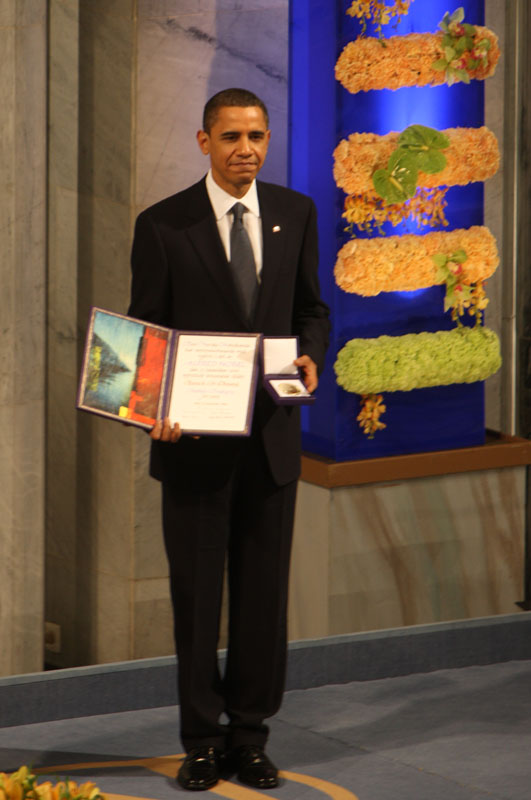
Do you agree?


Subscribe to:
Posts (Atom)